Peter Pasco
Creative Director

Brave Health is a telehealth mental health company providing therapy, psychiatry, and medication management to patients across the United States — with a focus on making quality care accessible through insurance coverage. I was brought in to take over the website design account from a previous designer and have been the sole design partner on the digital experience ever since.
The engagement is ongoing. Over more than a year of iterative updates, the site has evolved from a functional startup presence into a mature, conversion-optimized digital platform.
The site I inherited was well-intentioned but hadn't aligned with the growth of the company. The design had personality and the brand had clear bones, but it wasn't built for conversion, and it wasn't built to scale. Pages were designed in isolation. There was no shared component library, no documented token system, and no framework for adding new pages consistently. Every update required starting from scratch or shoe-horning content into an existing page template.
Meanwhile, Brave Health's business was growing in complexity: new states, new service lines, multiple patient and provider audiences, and a content operation that needed a design infrastructure to support it. The site needed to grow with the business — and do it without a complete rebuild.
The constraint: no big-bang redesign. Updates had to be scoped incrementally, shipped section by section, while keeping the live site functional throughout.
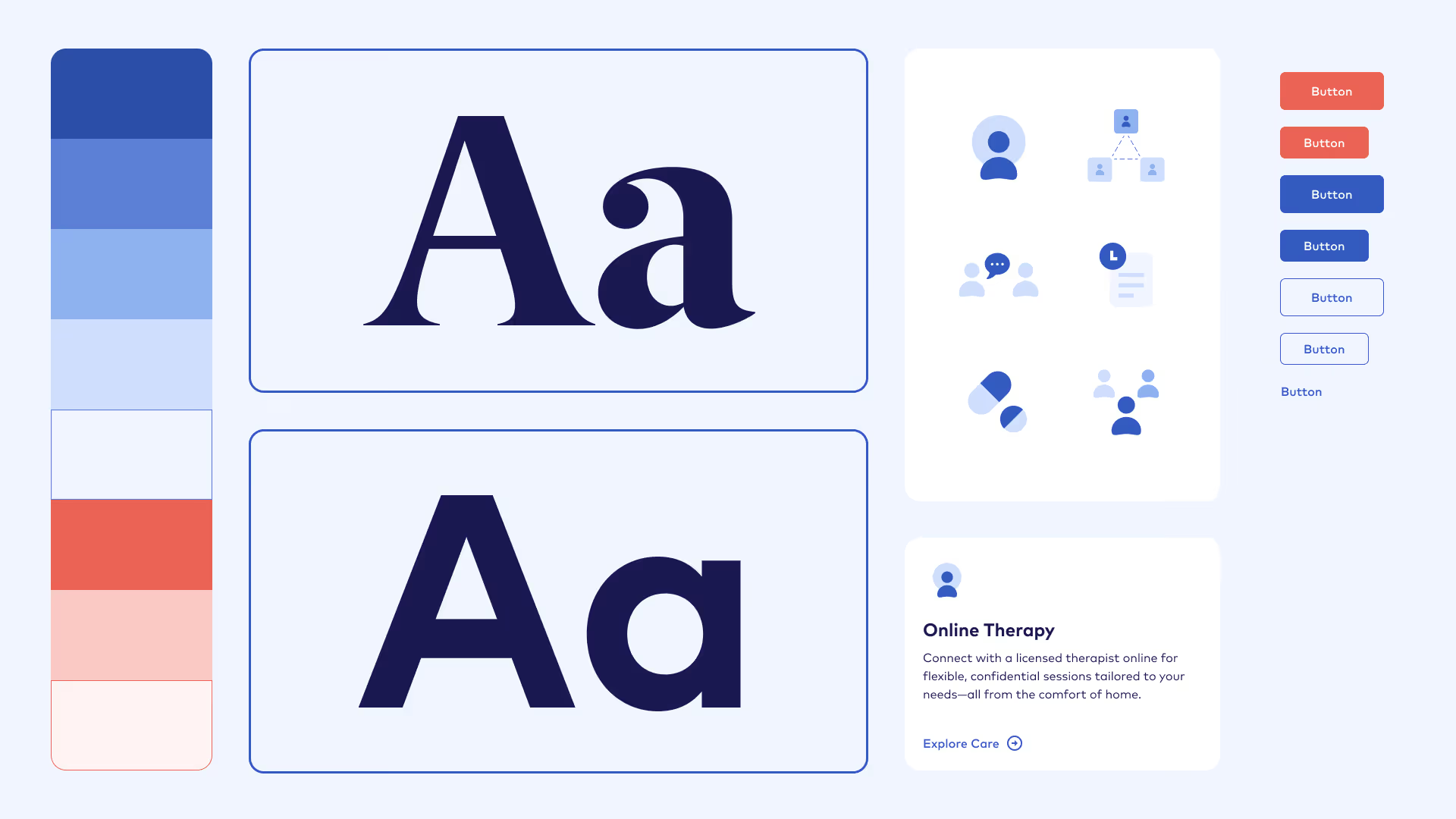
The first priority was building shared infrastructure. Working from Brave's existing brand — Mark Pro typeface, a navy and blue primary palette, orange accents — I developed a full design system in Figma built on top of Relume's component foundation, customized and documented specifically for Brave's brand and healthcare context.
The system includes a semantic color token architecture (primitive → semantic layers), a responsive type scale for desktop and mobile, a complete UI element library (buttons, inputs, tags, checkboxes, radios, toggles, tooltips), icon and illustration sets, and reusable section-level components. Changes to brand variables cascade across the entire library, making future updates efficient and consistent.
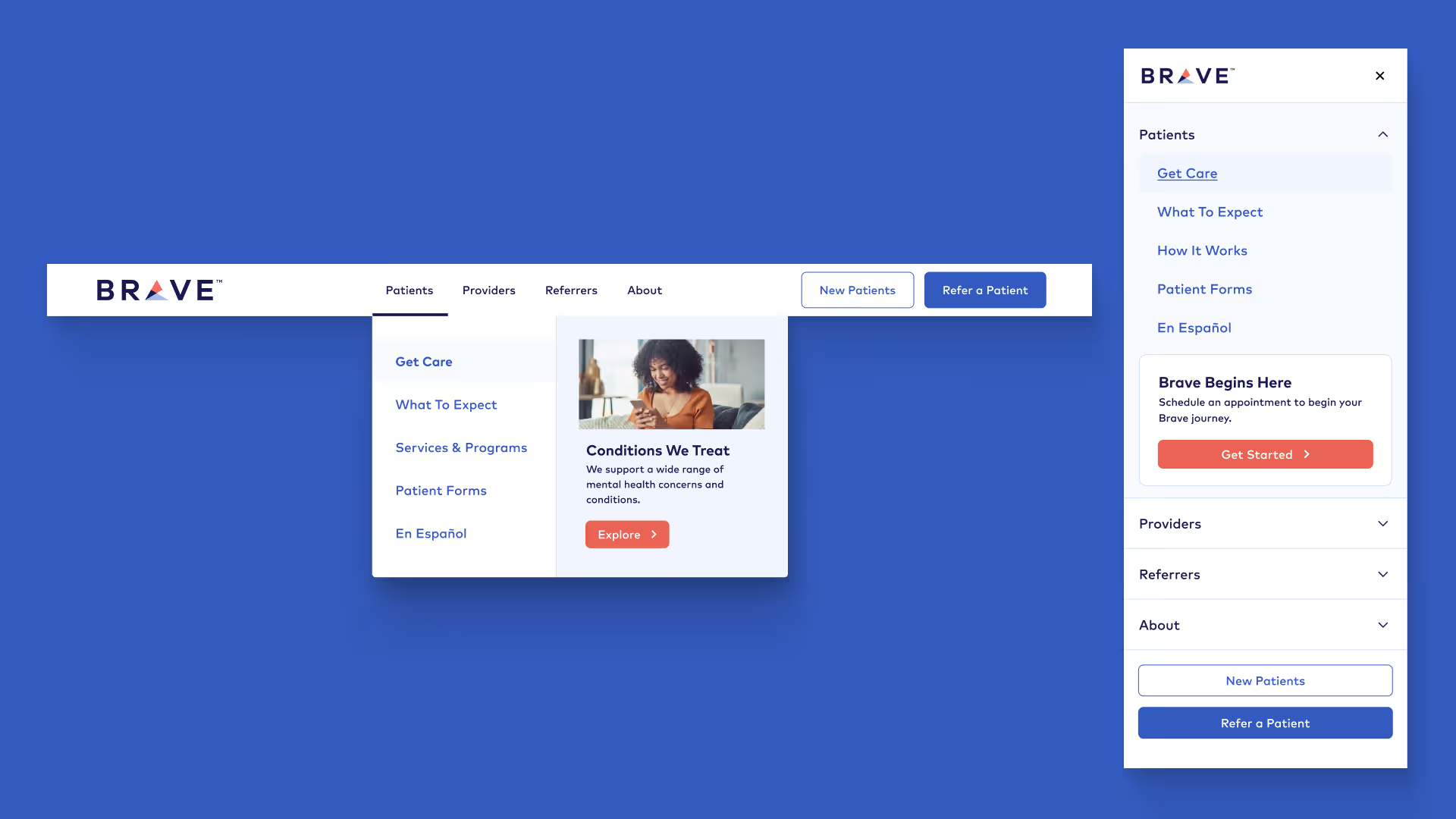
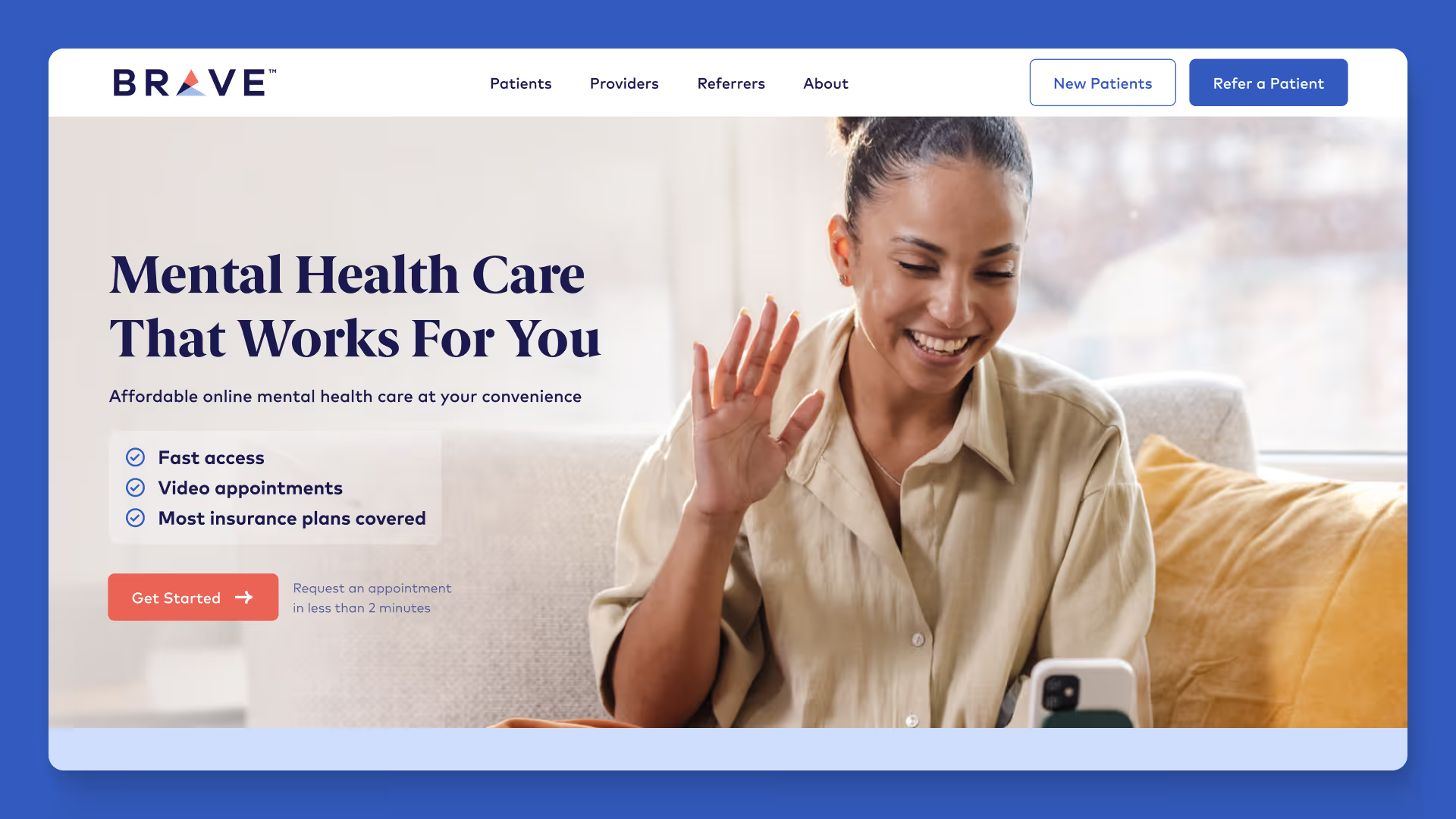
One of the earliest updates was a full navigation redesign — a foundational piece that unlocks every page downstream. The new nav introduced a clearer audience-based structure (Patients, Providers, Referrers, About), dual CTAs (New Patients / Refer a Patient) that reflect Brave's two primary conversion paths, and a fully designed mobile drawer with dropdowns. Clean, accessible, and built to accommodate a growing site architecture.
The homepage update was the single largest piece of work in the engagement — a full-page redesign that repositioned Brave from "startup telehealth app" to credible, established mental health platform.
The redesigned page introduces social proof indicators above the fold, a services overview section, an editorial stats module, a Brave vs. in-person comparison table, real patient testimonials, the coverage map integration, and a multi-audience footer. Every section was built from the design system component library.
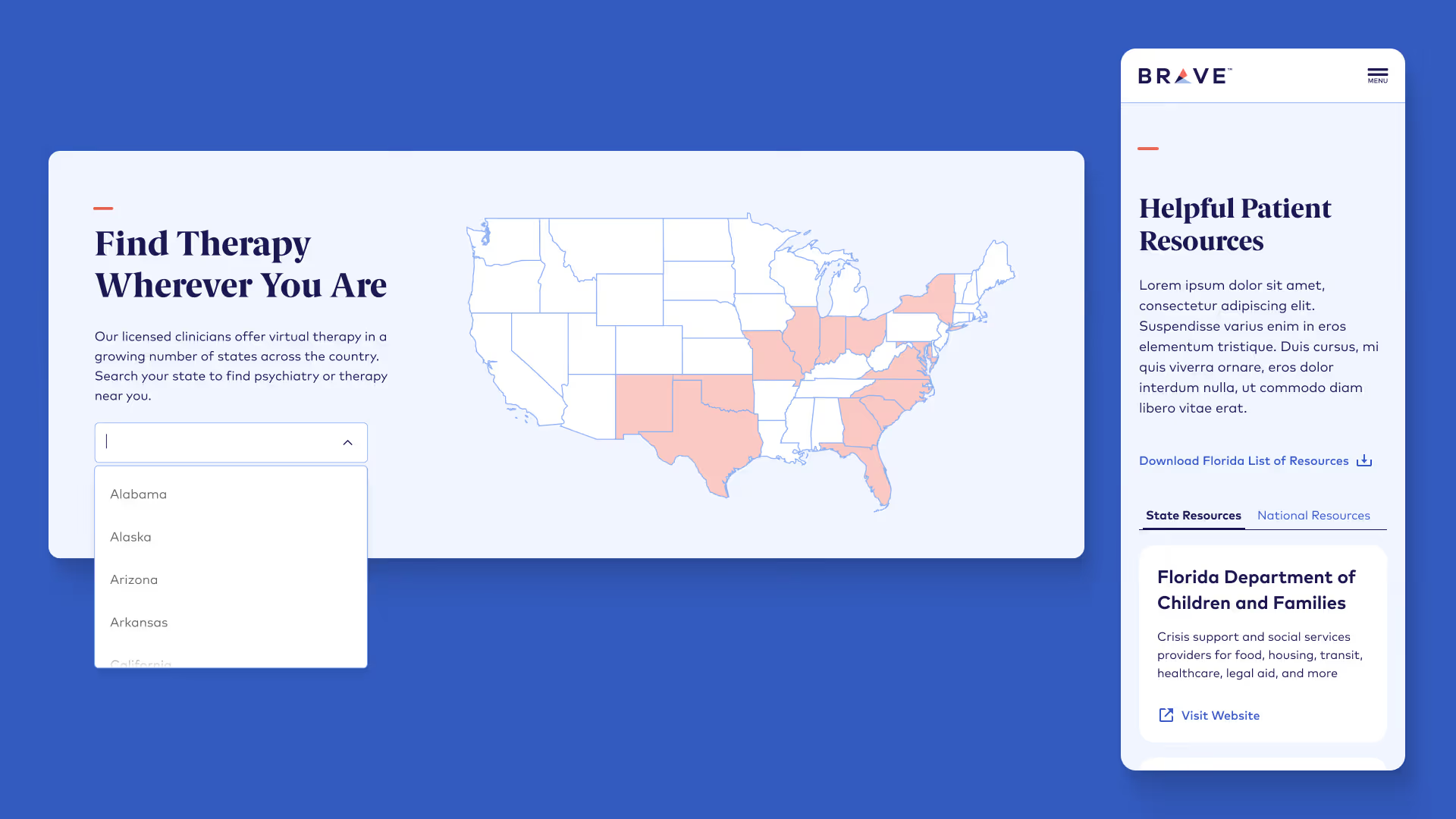
The coverage map is an interactive UI component that lets patients find care by state — and functions as a patient acquisition tool by geography. I designed a full set of interaction states (default, hover, state selected, form revealed, CTA state) for both desktop and mobile.
Each selected state links to a dedicated state page, built from a scalable template I designed to handle state-specific SEO content, local insurance coverage, service listings, patient testimonials, crisis resources, and referral CTAs — all in a single consistent design.
The template was deployed across six states (Florida, Georgia, Illinois, New York, Ohio, and Texas) in 2025, and the results were immediate.
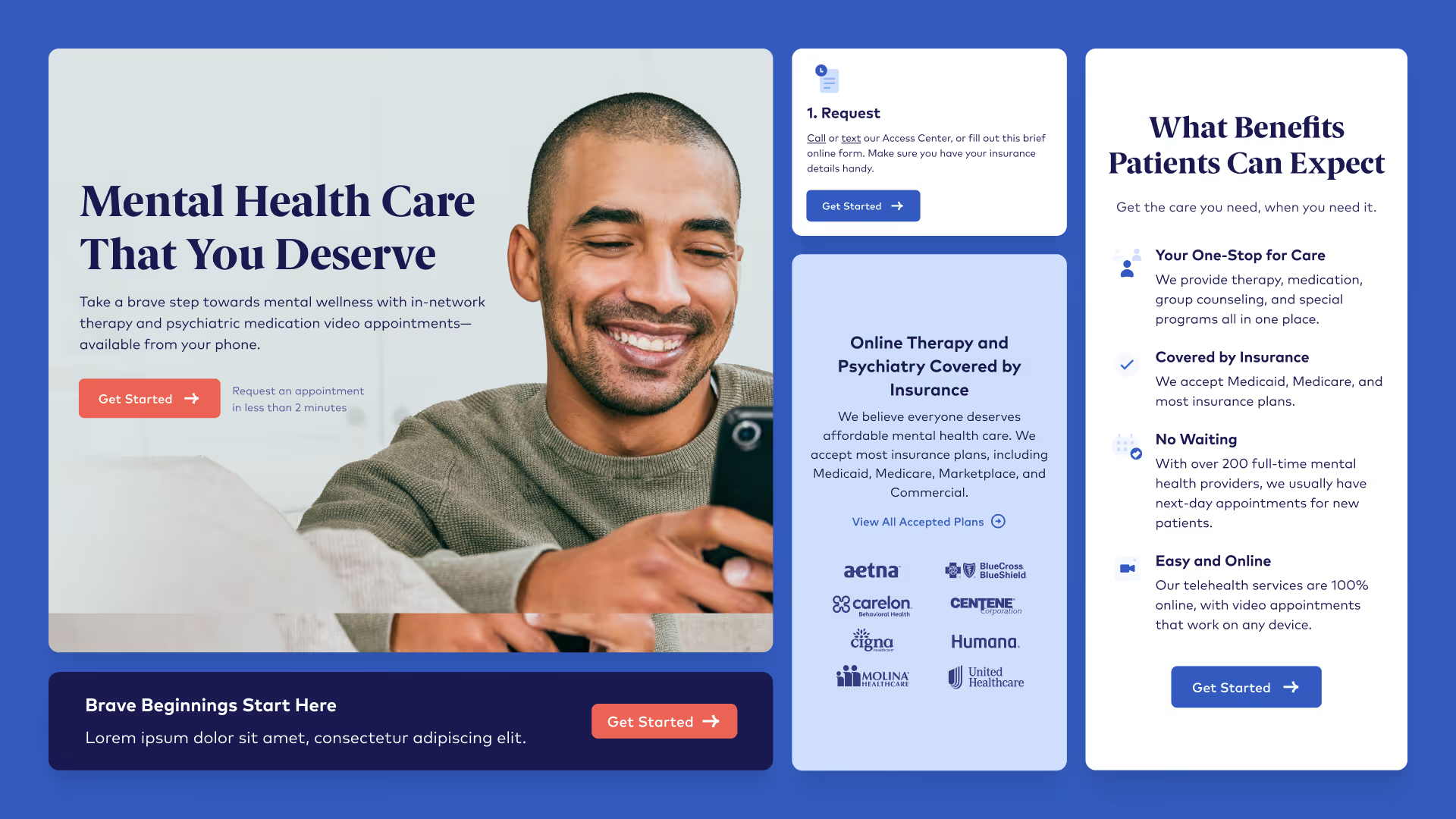
A conversion-focused redesign of the primary patient acquisition page. The update improved the hero hierarchy, tightened the value proposition, introduced a cleaner insurance coverage section with carrier logos, and added a "Care Starts Here" three-step onboarding flow that reduced friction and clarified the path to booking. Designed for both desktop and mobile from the start.

A scalable page template designed to cover Brave's full range of treatment offerings — individual therapy, psychiatric medication management, group therapy, EMDR, and more. The template provides consistent structure and strong conversion paths while accommodating condition-specific content. Deployed across 12 treatment and condition pages in 2025.

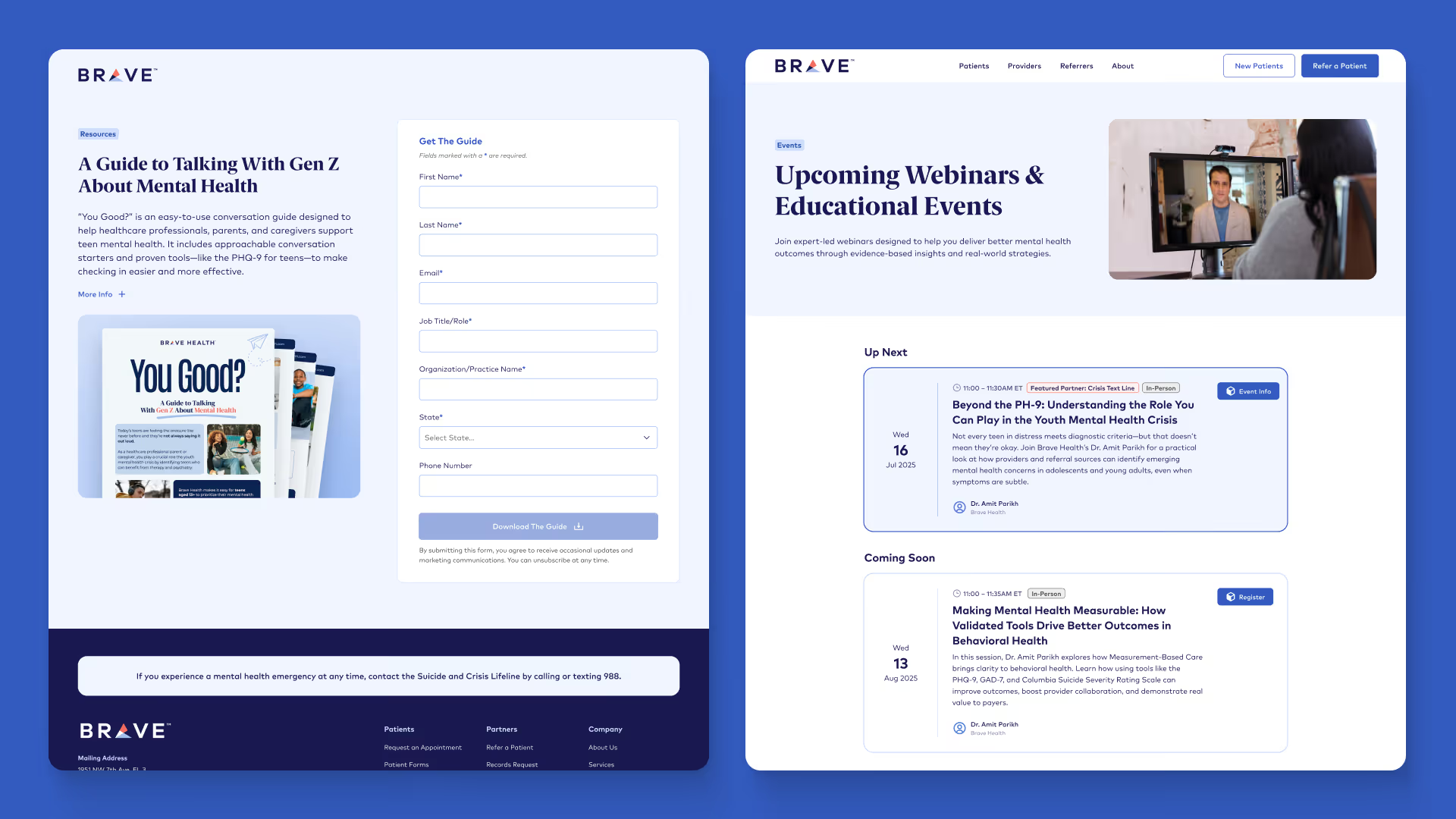
Beyond the major page templates, the engagement has included a redesigned Events section (with upcoming webinar listings, speaker cards, and recording archive), a Blog section ("Brave Happenings") with editorial card layout, a Provider Resource landing page template, a Referrer Form redesign, a 404 page, and an accreditation footer module — plus an ongoing 2026 Website Workshop deck used to present performance data and strategic recommendations to Brave's leadership team.